Hills and valley, month by month
Festivals & events.
Most Manipur festivals follow lunar calendars — dates shift every year, and we mark each one honestly: confirmed dates as dates, everything else as its real window.
February
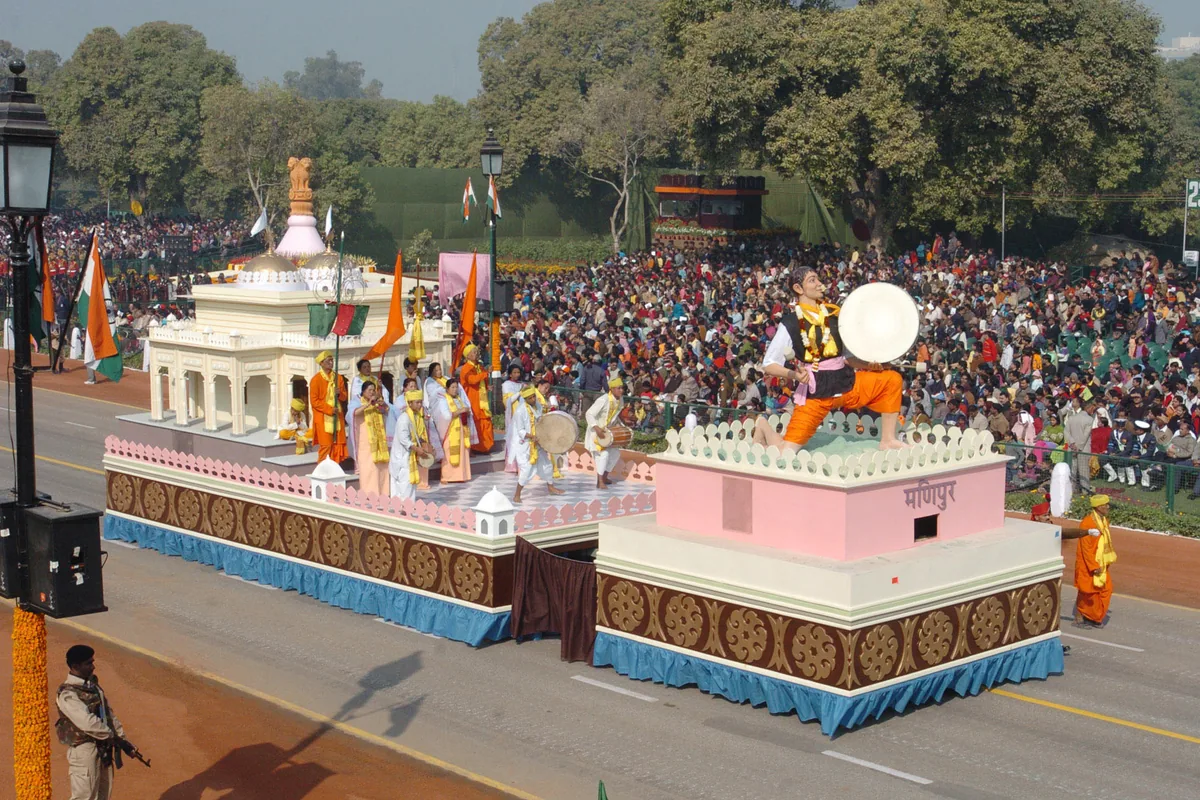
Photo: Ministry of Defence, Government of IndiaGODL-Indiacropped
Yaoshangꯌꯥꯎꯁꯪ
Manipur's five-day answer to Holi - thabal chongba moonlight dancing, sports, and a valley that refuses to sleep.
Five days from the Lamta full moon - falls in late February or March; dates shift yearly.
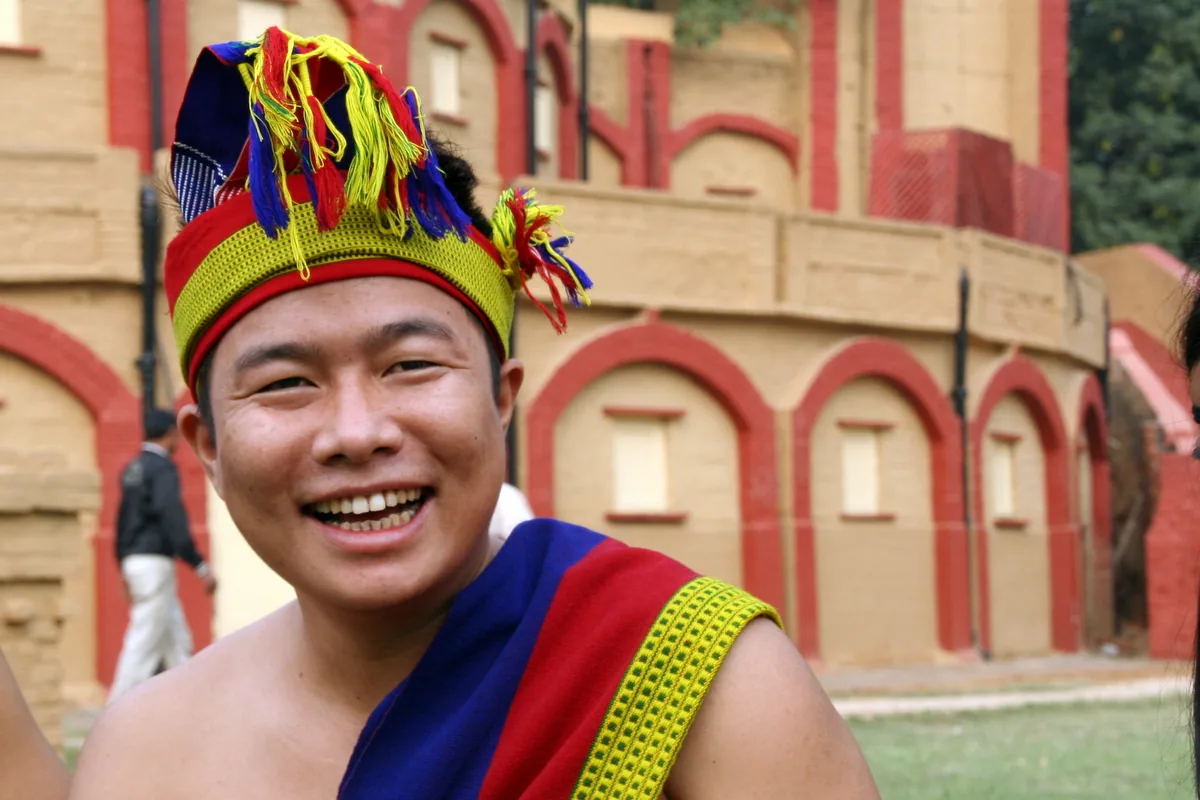
Photo: Ramesh LalwaniCC BY 2.0cropped
Lui-Ngai-Ni
The seed-sowing festival that unites Manipur's Naga communities at the start of the farming year.
Held around 14-15 February each year; 15 February is the state holiday.
April
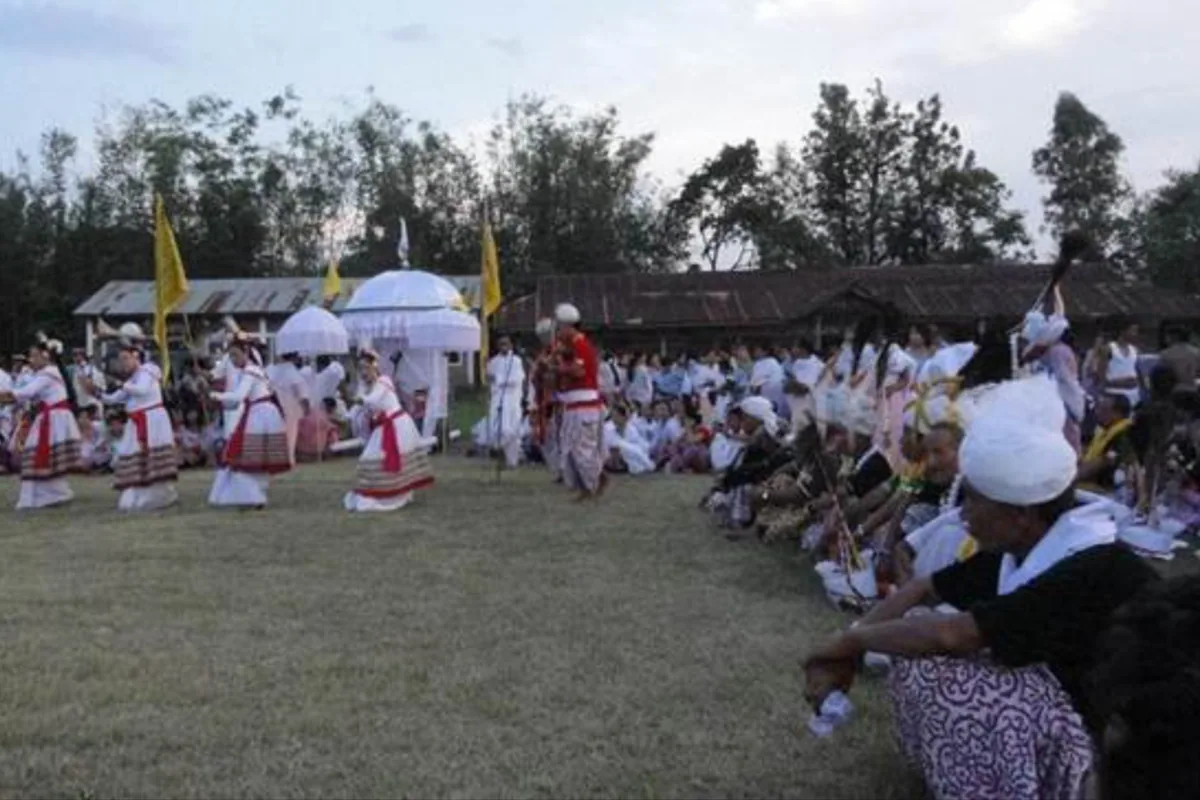
Photo: Khangembam KhoniCC BY 4.0cropped
Lai Haraobaꯂꯥꯏ ꯍꯔꯥꯎꯕ
The "pleasing of the gods" - Manipur's oldest living ritual festival, part liturgy, part origin-myth in dance.
Held shrine by shrine, mostly April-June; each lai has its own days.
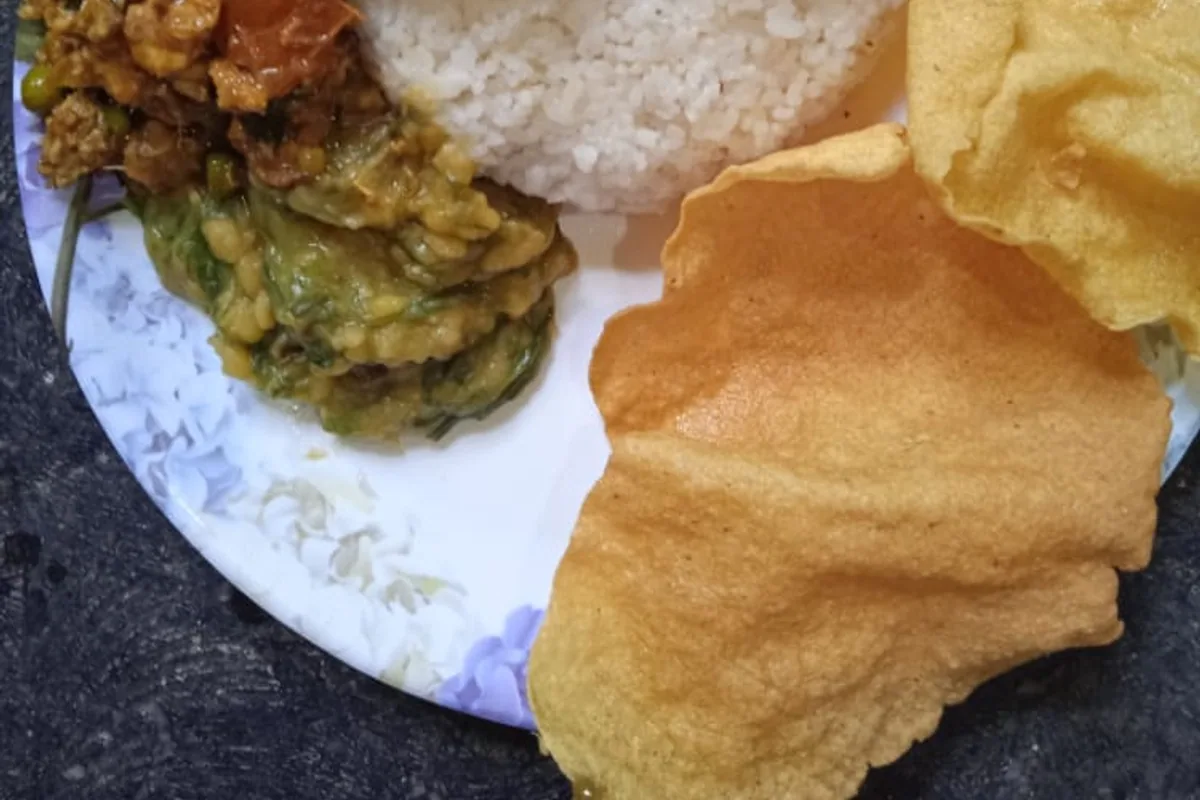
Photo: Awangba MangangCC BY-SA 4.0cropped
Sajibu Cheiraobaꯁꯖꯤꯕꯨ ꯆꯩꯔꯥꯎꯕ
Meitei new year - festive meals, offerings, and an afternoon climb up Cheiraoching hill.
First day of Sajibu - usually falls in April; date shifts with the lunar calendar.
May
June
September
October
November
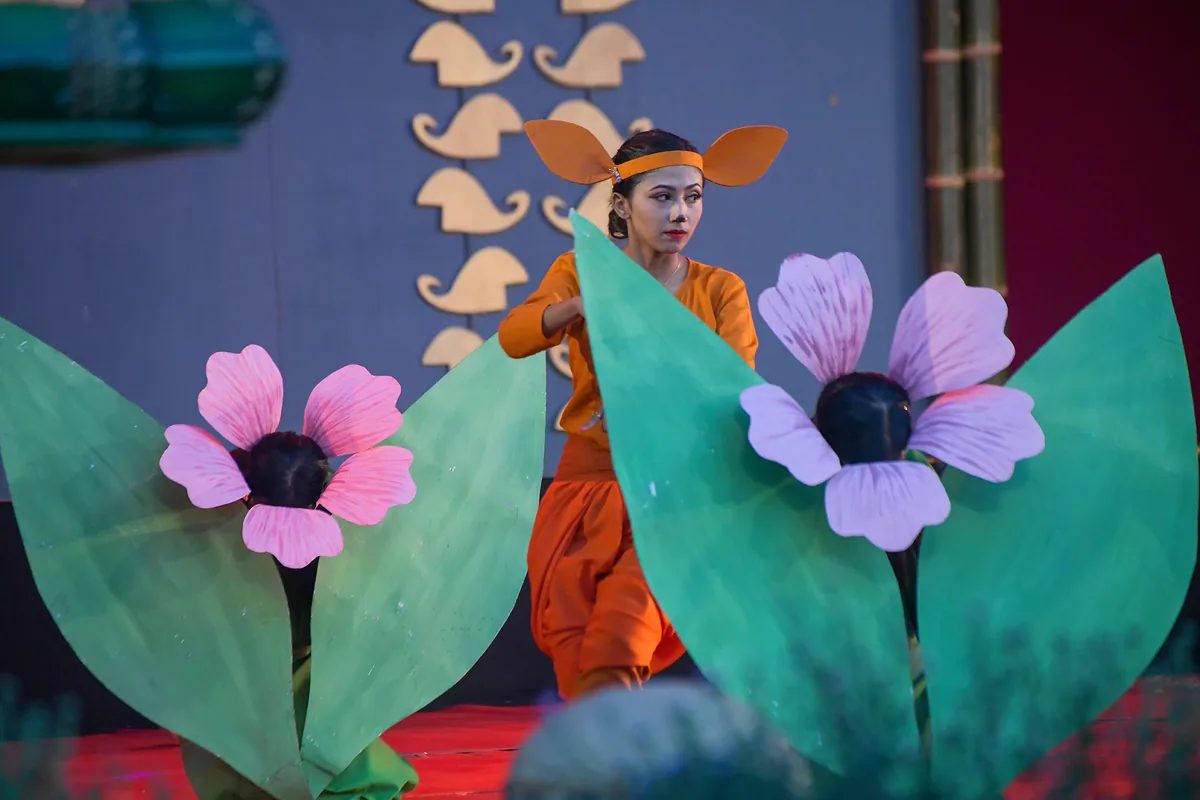
Photo: Avra10CC BY-SA 4.0cropped
Sangai Festival
Manipur's flagship tourism festival - ten days of dance, sport, food, crafts and the state at its most open.
Typically ten days in late November; exact dates announced by the state each year.
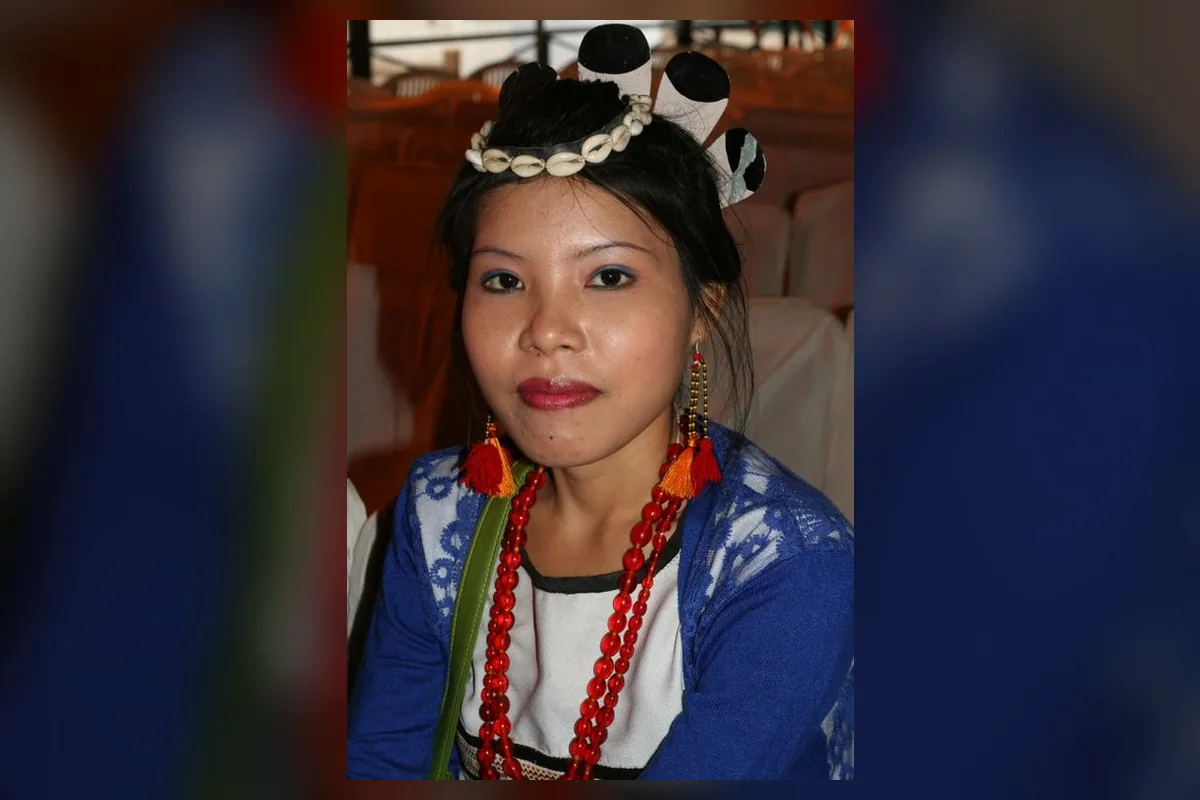
Photo: Ramesh LalwaniCC BY 2.0cropped
Kut
The post-harvest thanksgiving of the Kuki-Zo communities - song, dance and the crowning of Miss Kut.
Fixed date: 1 November, a Manipur state holiday.
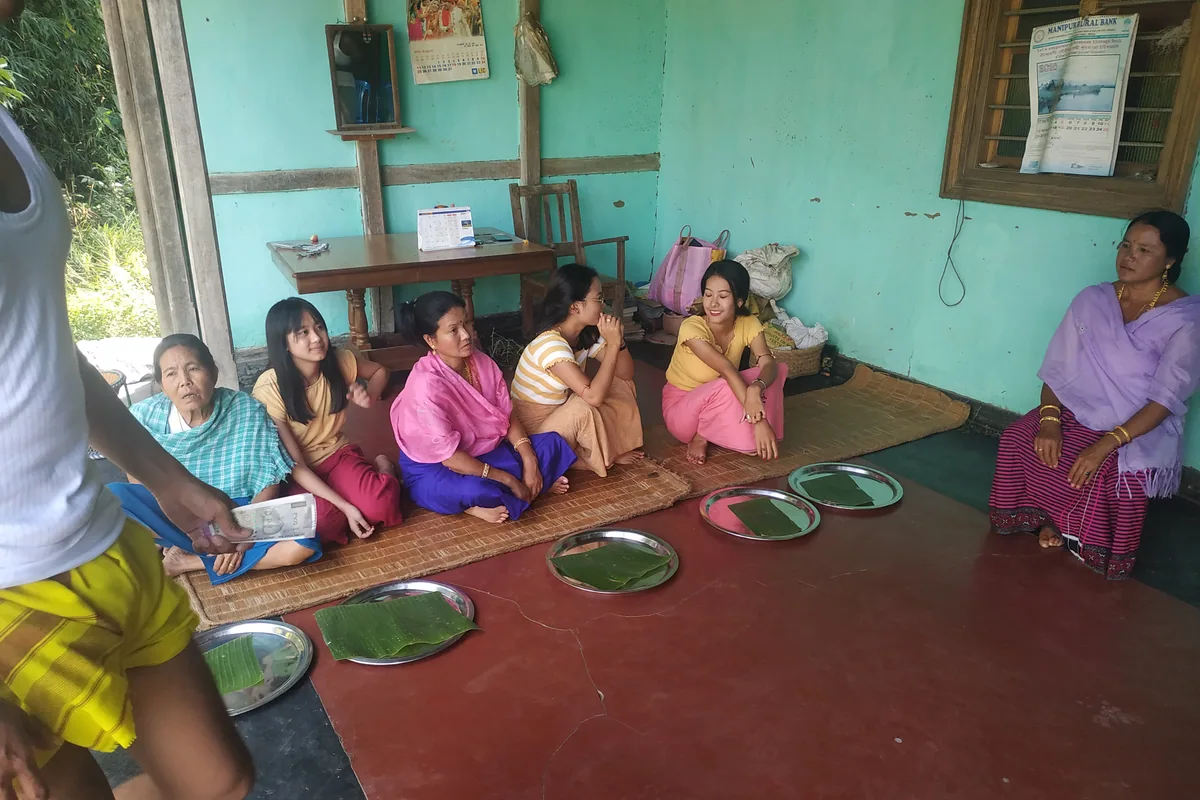
Photo: Awangba MangangCC BY-SA 4.0cropped
Ningol Chakoubaꯅꯤꯉꯣꯜ ꯆꯥꯛꯀꯧꯕ
The day married daughters come home - Manipur's most tender festival, built around one shared meal.
Second day of Hiyangei - falls in November; the exact date shifts with the lunar calendar.
December
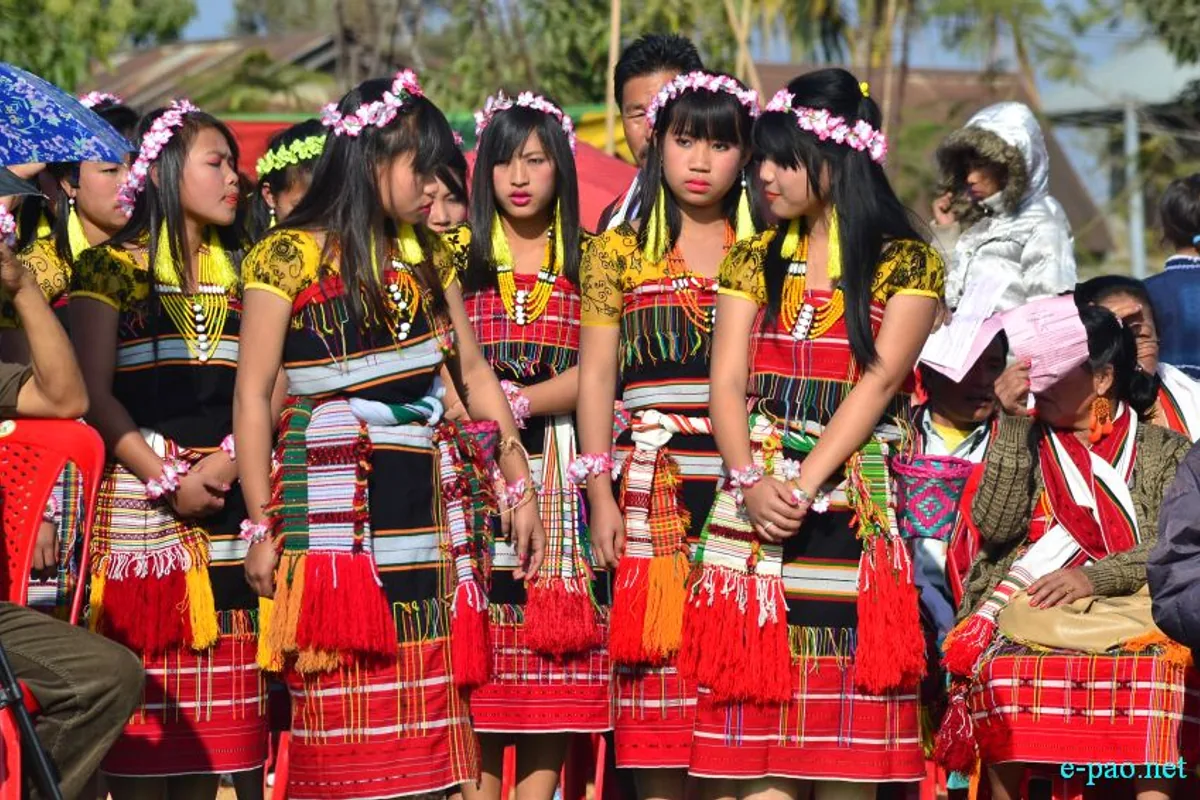
Photo: Ashok NingthoujamCC BY-SA 4.0cropped
Gaan-Ngai
The great post-harvest festival of the Zeliangrong - five days of fire, drum and dance.
Usually falls in December-January (13th day of Wakching); dates announced by community bodies.
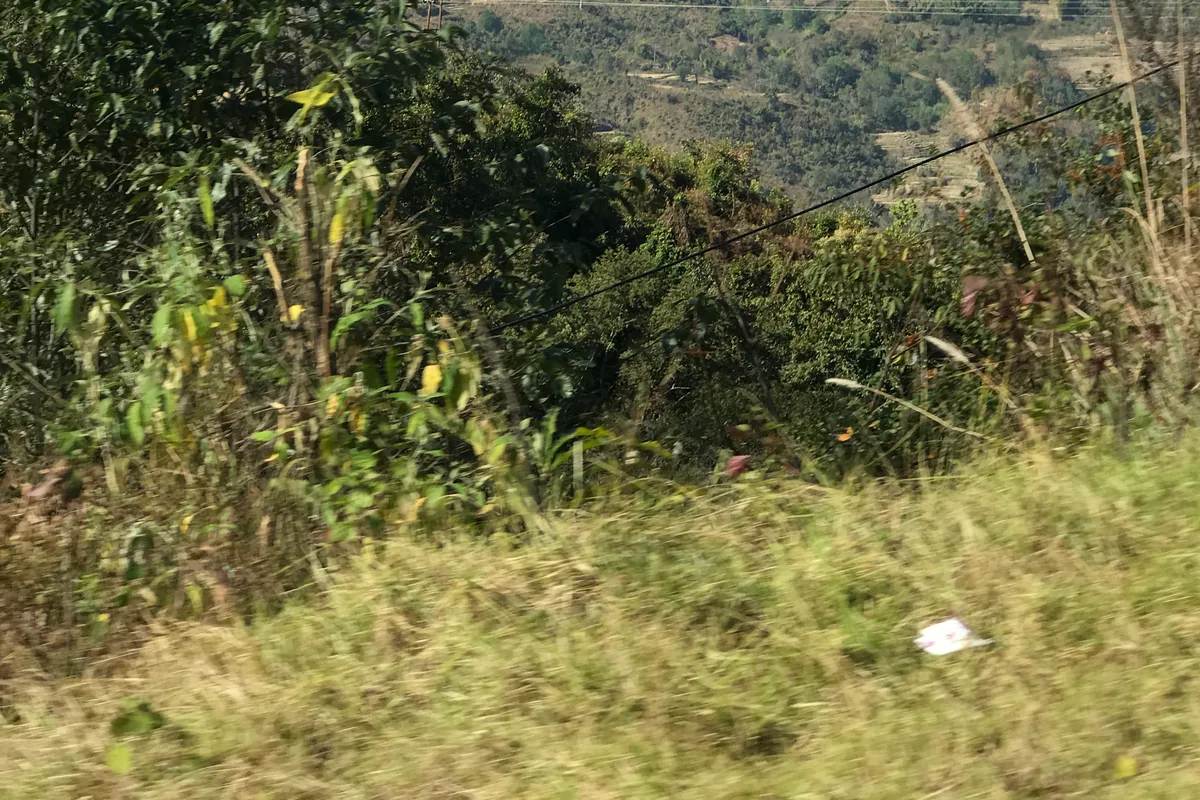
Photo: Shankar S.CC BY 2.0cropped
Chumpha
The Tangkhul post-harvest thanksgiving - a week of feasting where women lead the rites.
About a week in December; village dates vary.
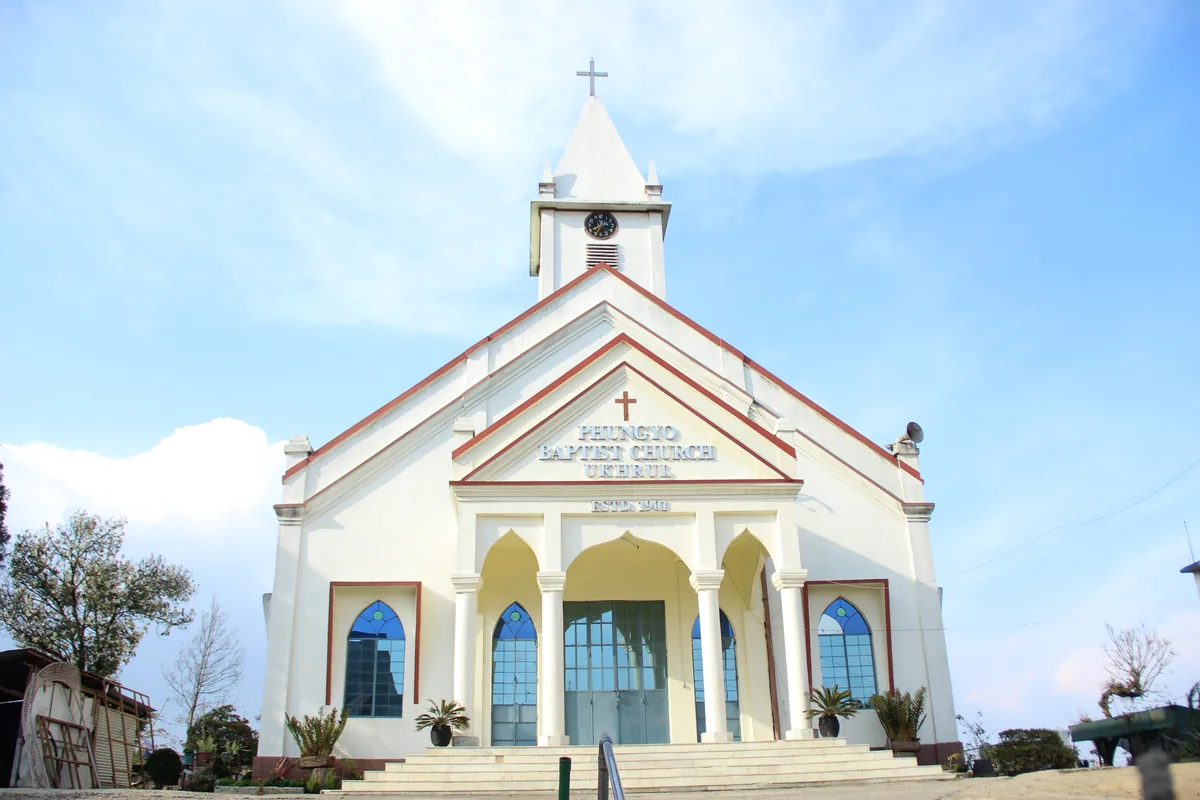
Photo: PamkhuilaCC BY-SA 4.0cropped
Christmas in the hills
Manipur's hill districts at their warmest - carols, community feasts and villages strung with light.
Fixed date: 25 December, with celebrations running through the week.
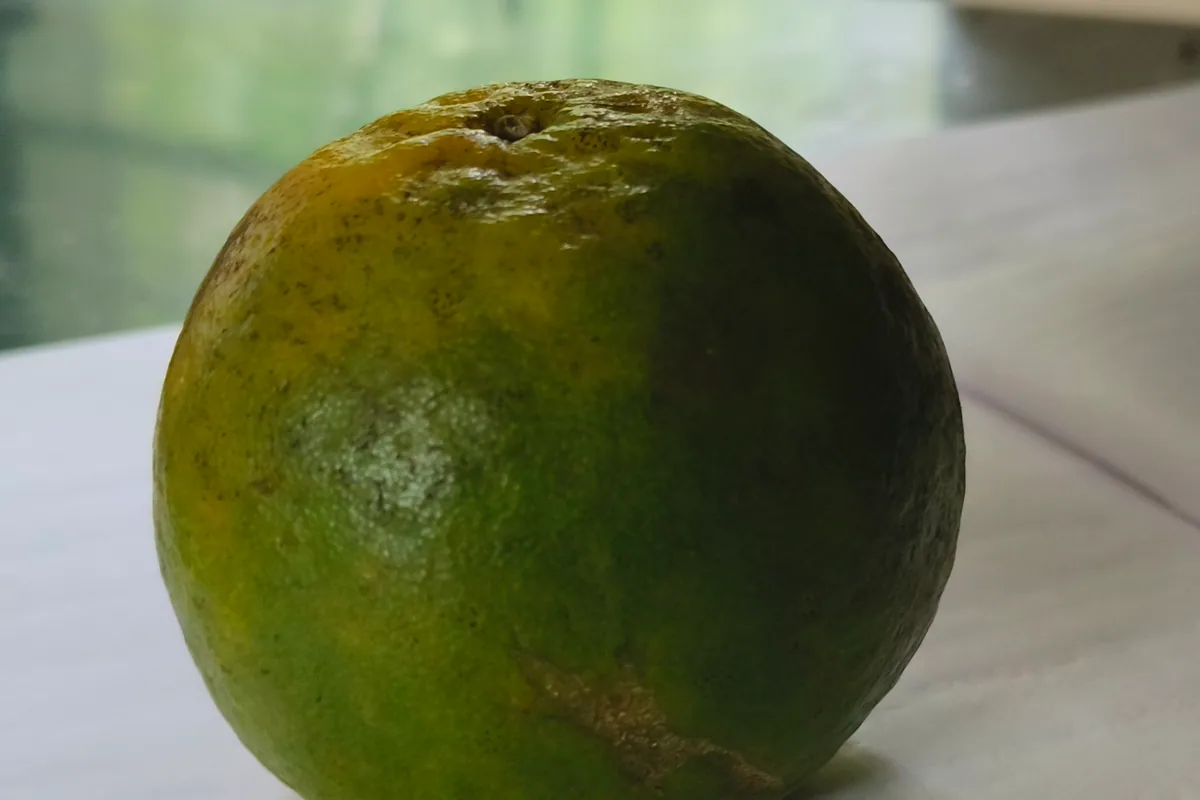
Photo: Kuttykrishnan PhotosCC0cropped
Tamenglong Orange Festival
A December growers' fair celebrating the oranges that give Tamenglong its reputation as Manipur's orange bowl.
Usually three days in December; dates are announced edition by edition.
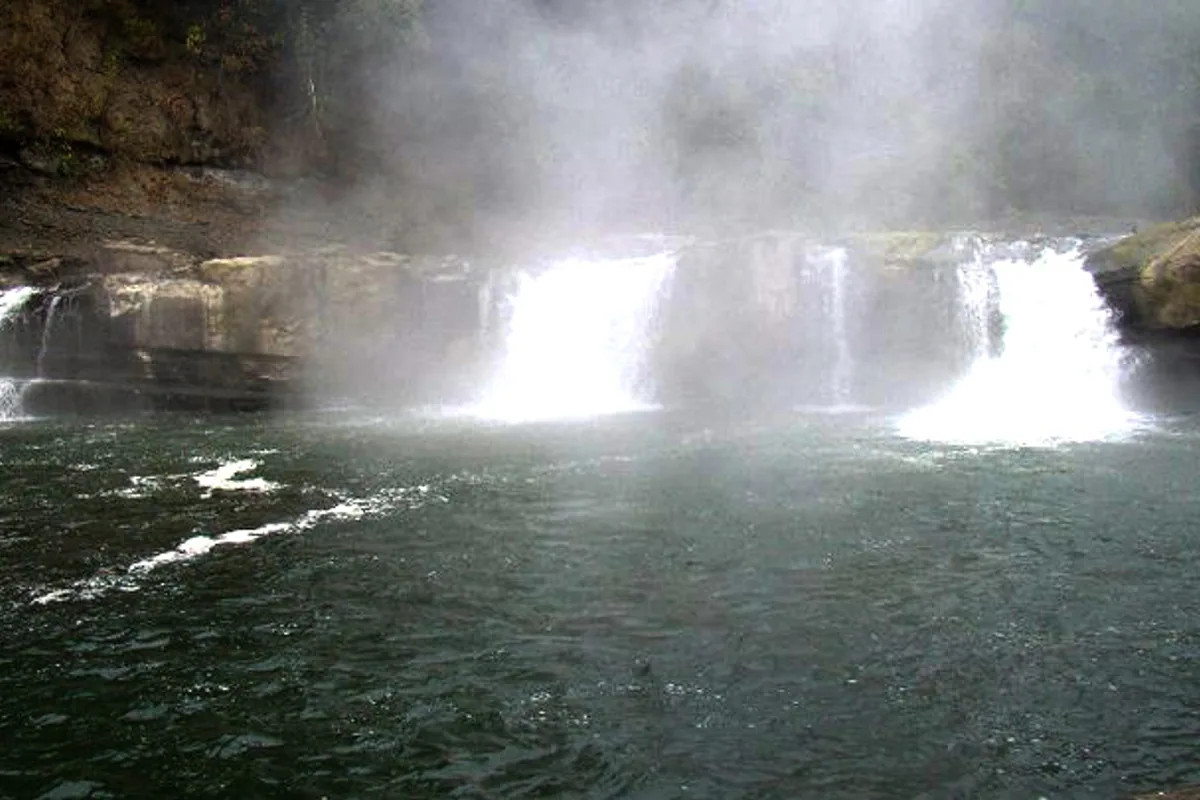
Photo: DangmeiCC BY-SA 3.0cropped
Barak Festival
A December cultural and nature festival honouring the Barak River and the communities connected to it.
Usually held over several days in December; dates and venue are announced each year.
Plan around them: month-by-month guide · book a base early